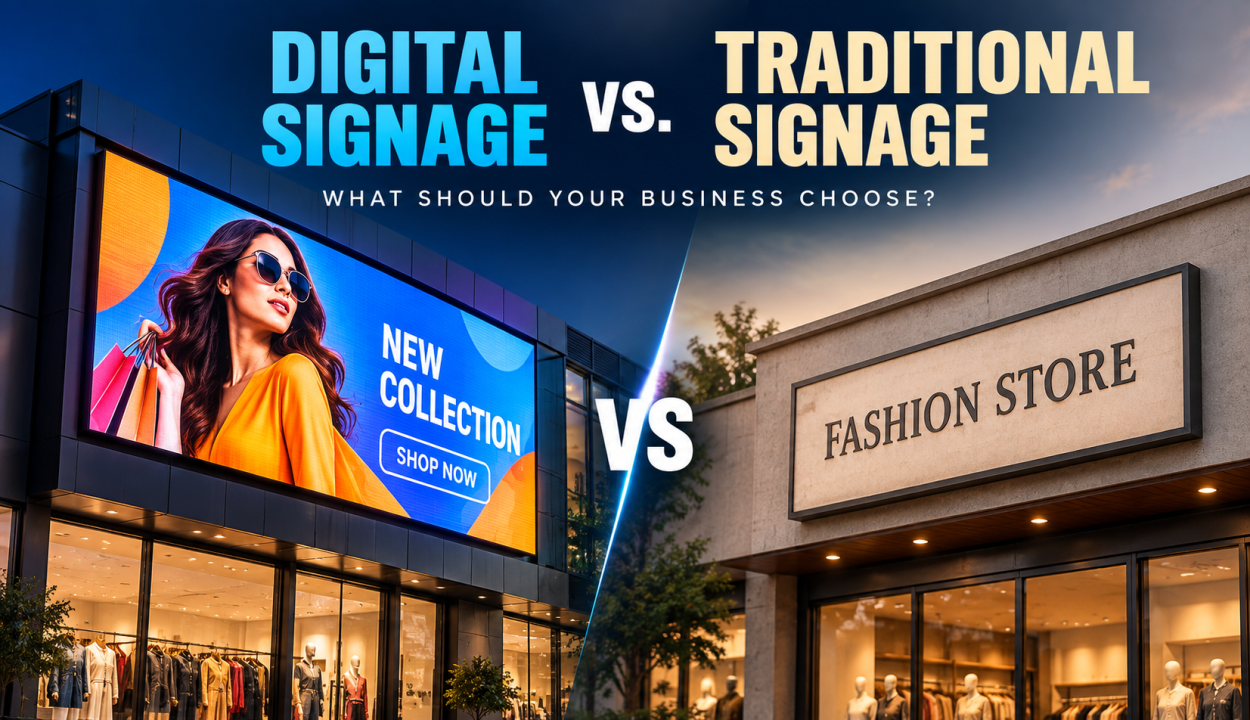

A bigger screen isn’t always better when you consider how to choose an AV solution. However, more speakers don’t automatically mean better sound. And the longest specification sheet certainly doesn’t guarantee the right AV system.
Yet this is where many AV purchases begin: comparing products before defining the problem they need to solve.
However, how to choose an AV solution depends on much more than equipment specifications.
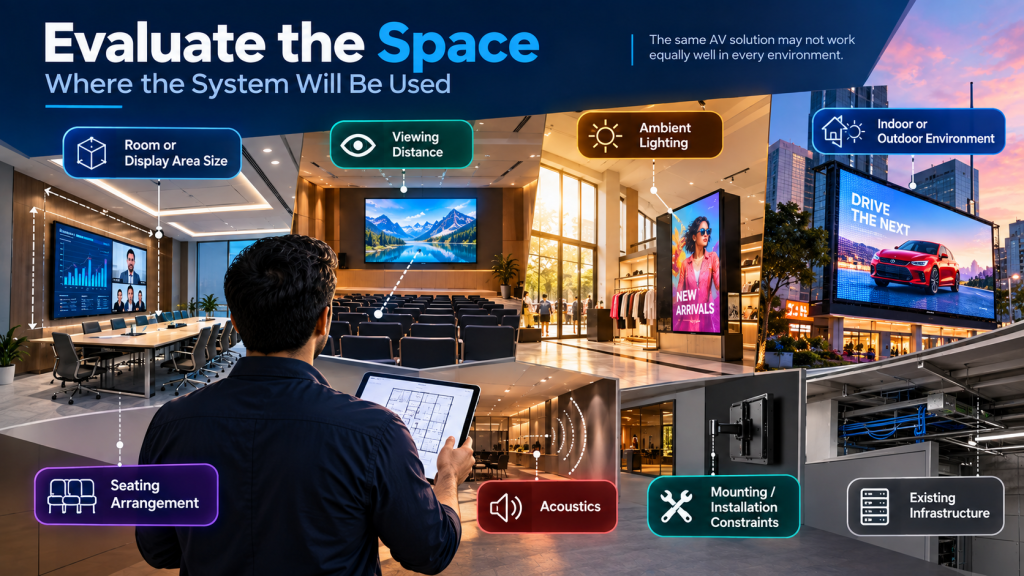
Room size and viewing distance influence requirements.
Lighting, acoustics, connectivity, usage, ease of operation, and future needs shape suitability.
So, how do you choose an AV solution without getting lost in brands, features, and technical jargon?
Start by evaluating the solution—not just the equipment.
In this practical AV solution buying guide, we’ll break down the key factors to consider before you buy, from performance and compatibility to installation, support, and total cost. Because the smartest AV investment isn’t necessarily the one with the most features—it’s the one that fits your requirements.
Start With the Business Requirement
Before comparing AV solutions, brands, or specifications, define what you actually need the system to achieve. Ask:
- What will the AV system be used for?
- Who will use it and how often?
- What problem should it solve?
- What kind of experience do you want to create?
A meeting room may need seamless video conferencing, while a retail space may need high-impact digital displays. The right AV system selection starts with the application—not the product.
Start with the requirement. Then choose the technology that fits it.
Identify the Specifications That Actually Matter
AV equipment can come with a long list of technical specifications, but not every specification matters equally for your application.
The right AV solution depends on which specifications directly affect performance in your space. For example, when evaluating a display, factors such as pixel pitch, brightness, viewing distance, screen size, and viewing angle may be important. For audio, room size, coverage, and acoustic conditions can matter more.
Instead of asking, “Which product has better specifications?”, ask: “Which specifications matter for my requirement?”
This helps you compare AV systems based on suitability and performance, rather than simply choosing the option with the highest numbers.
Check Compatibility With Your Existing Technology
Before deciding how to choose an AV solution, make sure it will work with the technology you already have. Moreover, compatibility issues can lead to additional equipment, installation changes, and unexpected costs.
During your AV system selection, check:
- Connectivity: Does it support the required HDMI, USB, wireless, or network connections?
- Devices: Will it work with your existing laptops, displays, cameras, microphones, and speakers?
- Software: Is it compatible with the video conferencing or presentation platforms your team uses?
- Infrastructure: Can your existing network, power supply, and cabling support the new system?
- Control: Can you operate the system through your existing control interface, or will you need a new one?
- Integration: Can the new equipment communicate effectively with the other components in your AV setup?
A quick compatibility check before purchase can help prevent integration issues, extra costs, and avoidable installation changes later.
The goal isn’t simply to add new AV equipment—it’s to make the entire system work together.
Evaluate Installation and Implementation
Choosing the right AV solution is only the first step. How it is installed, configured, and integrated can directly affect its performance. Before you buy, clarify:
- Is site assessment included?
- Who handles installation and system configuration?
- Are cabling, mounting, and integration included?
- Will the system be tested and commissioned after installation?
- What happens if the existing infrastructure needs changes?
A clear AV installation plan helps avoid last-minute changes, unexpected costs, and performance issues.
Don’t evaluate only what you’re buying. Evaluate how it will be implemented.
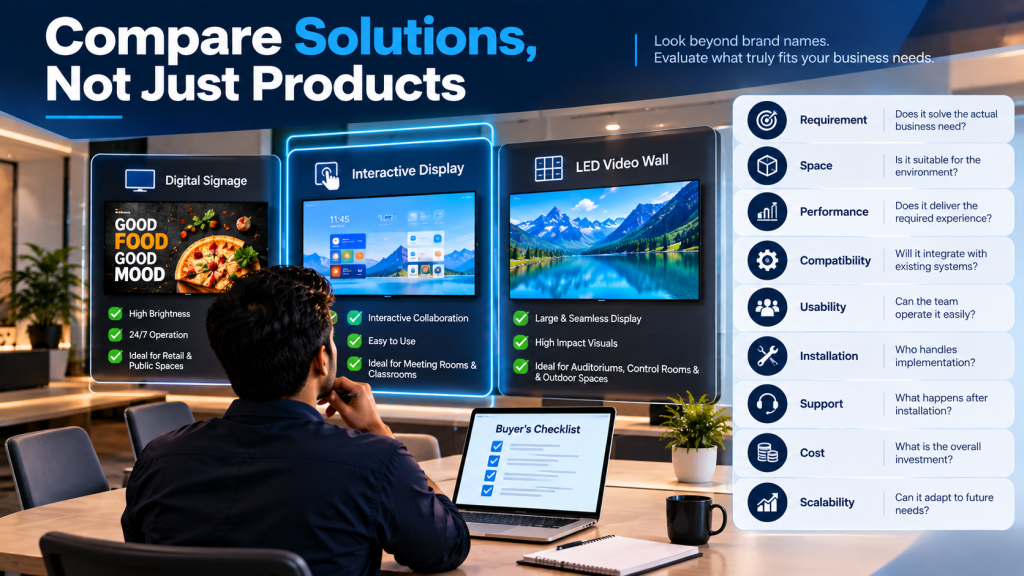
How Arha Helps: From Requirement to the Right AV Solution
With AV projects, the difference often lies beyond the equipment itself. Arha Enterprise takes a solution-first approach, helping businesses evaluate what they actually need before deciding what to install.
What sets the approach apart is the focus on:
- Requirement-led recommendations — Solutions are selected around the intended application, space, and usage.
- End-to-end planning — From understanding the requirement and selecting the configuration to installation and commissioning.
- Application-focused expertise — Recommendations consider factors such as room conditions, viewing distance, acoustics, connectivity and day-to-day usability.
- Integrated solutions — We plan different AV components to work together rather than treating them as standalone products.
- Long-term support — The focus extends beyond installation to maintenance, service and future requirements.
For businesses evaluating an AV solution, this means the conversation starts with a more important question than “Which product should we buy?”
It starts with “What solution will work best for our requirements?”
Choosing an AV solution is not about finding the most advanced equipment or the lowest-priced option. It’s about finding a system that fits your business requirements, space, usage, and long-term needs.
Before making a decision, evaluate the specifications that matter, check compatibility, understand the installation process, and consider the support you’ll need after implementation.
The right AV system selection starts with the right questions.
If you’re planning an AV or display project and aren’t sure which configuration is right for your space, Arha Enterprise can help you evaluate the requirements and plan the solution around them.
Understand the requirement. Choose the right technology. Execute it right.